
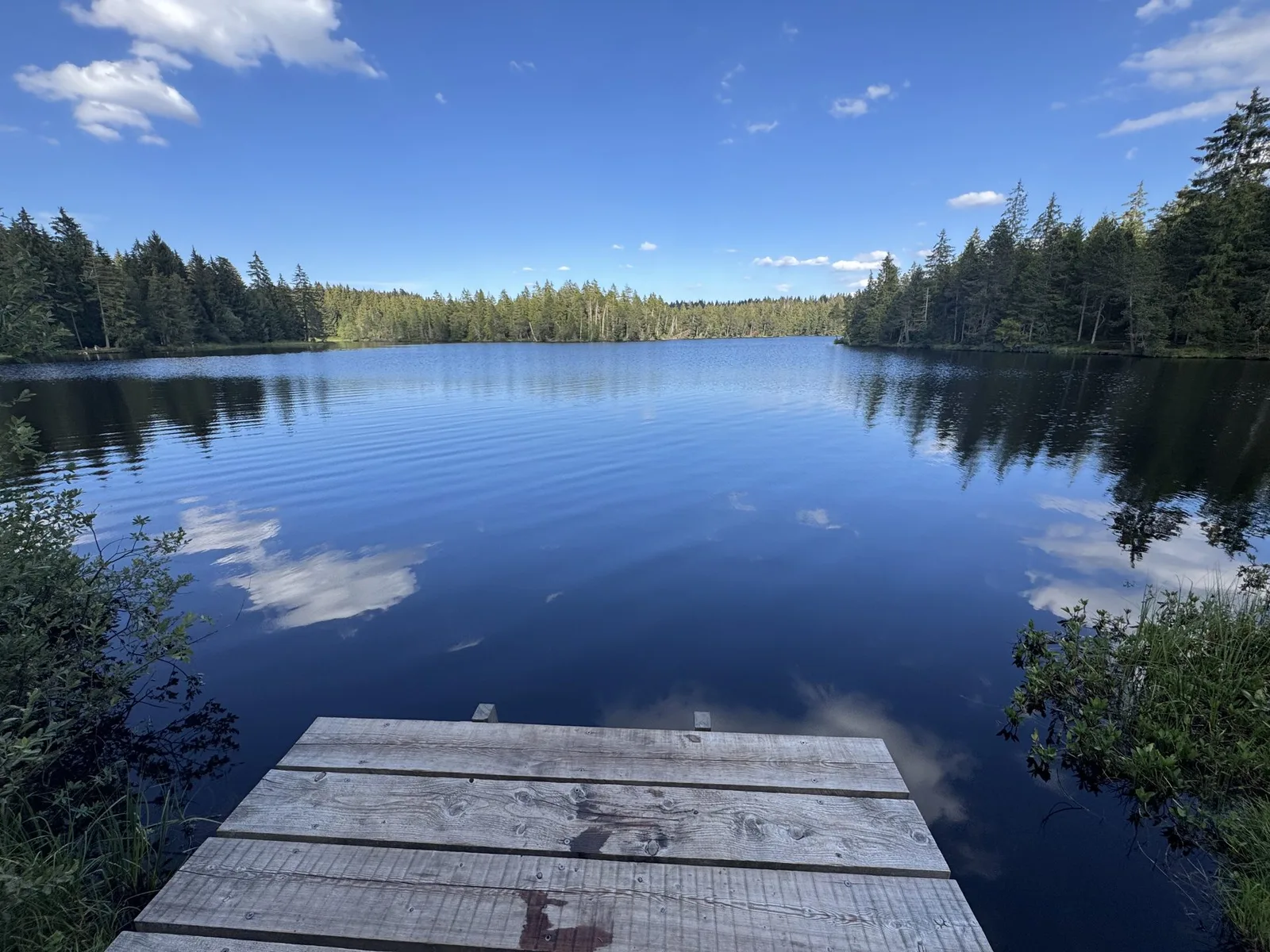
Some corners of Switzerland shout for your attention. The Franches-Montagnes does the opposite. This high plateau in the canton of Jura sits at around a thousand metres above sea level, and its whole character flows from that altitude: open horizons, big skies, peat bogs, and a stillness that invites you to slow right down. If you are looking for a weekend of calm and reflection rather than a checklist of sights, this is the place.
And it is genuinely easy to reach. It is roughly a two-hour drive from both Zürich and Geneva, and well served by public transport — reckon on about three hours by train and bus. That accessibility, paired with how few tourists actually make the trip, is the region’s quiet magic. It still feels authentic, unpolished, lived-in.
When to go: the Marché-Concours weekend
We timed our visit for the second weekend of August, when Saignelégier hosts the Marché-Concours National de Chevaux — the great festival of the Franches-Montagnes horse, the last native Swiss breed. The little town comes alive: parades, races, costumes, the whole plateau in a festive mood. It is a wonderful spectacle to dip into.
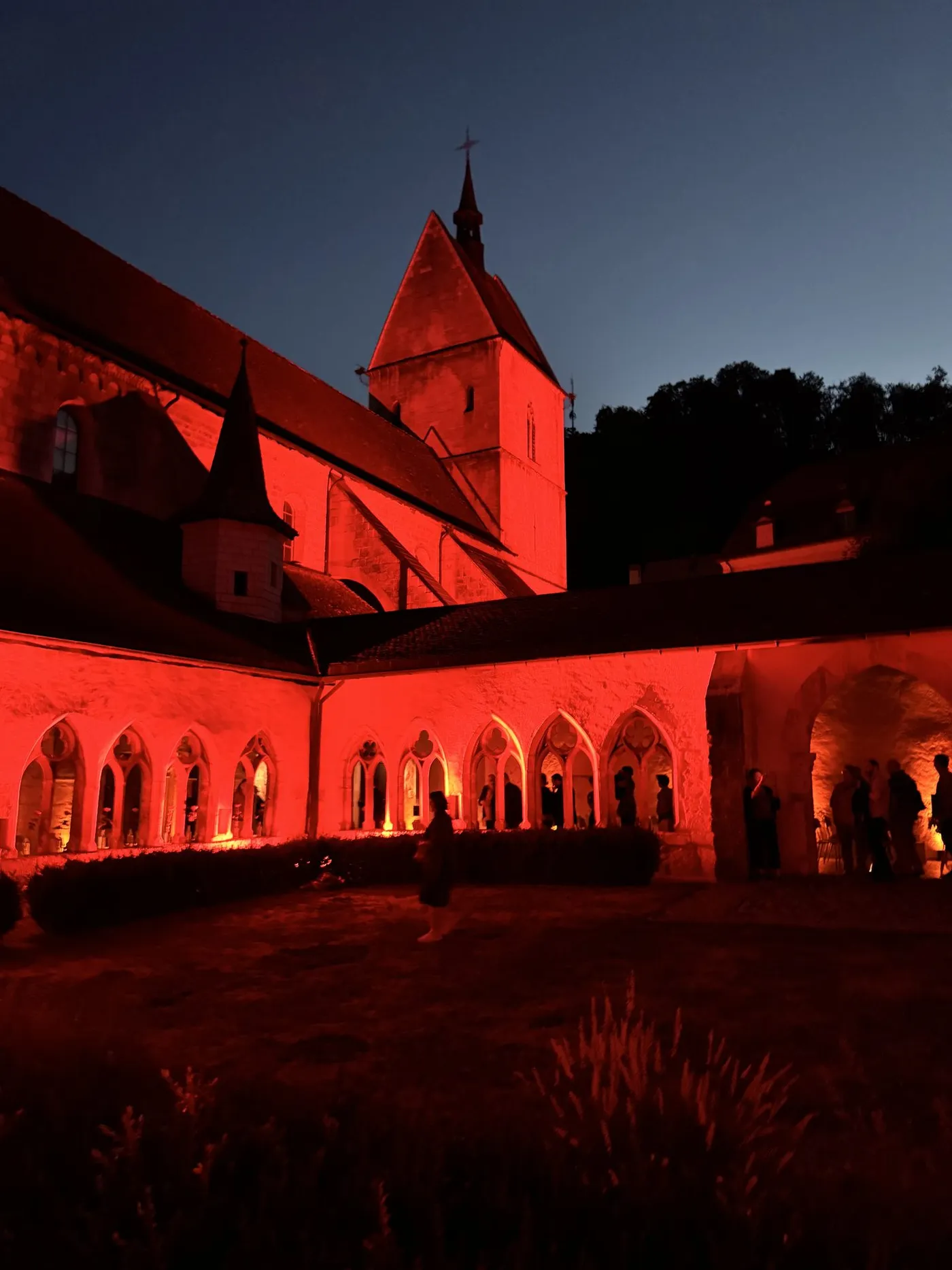
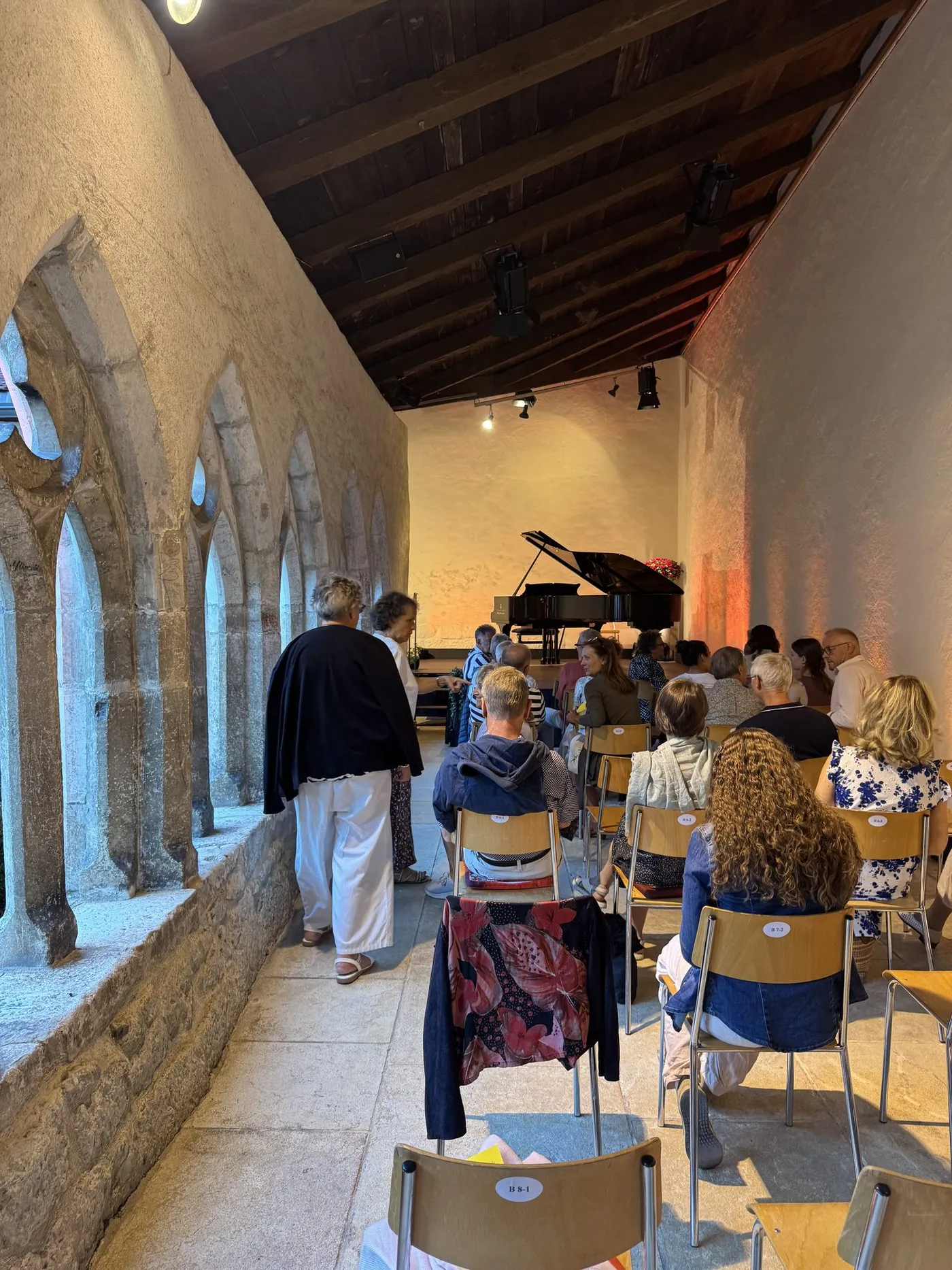
The beauty of it is the contrast. Saignelégier buzzes for the weekend, but step a few kilometres away and the region returns to its natural calm. We also caught a piano concert in Saint-Ursanne, organised by Crescendo Jura — chamber music in a medieval riverside town, exactly the kind of understated cultural gem this region does so well.
Étang de la Gruère: a slice of the North
The highlight of our walking was the loop around the Étang de la Gruère, a small pond ringed by a raised bog. Do not let the modest size fool you — this is one of the most important high moors in Switzerland, built up over thousands of years of sphagnum moss laying down peat.
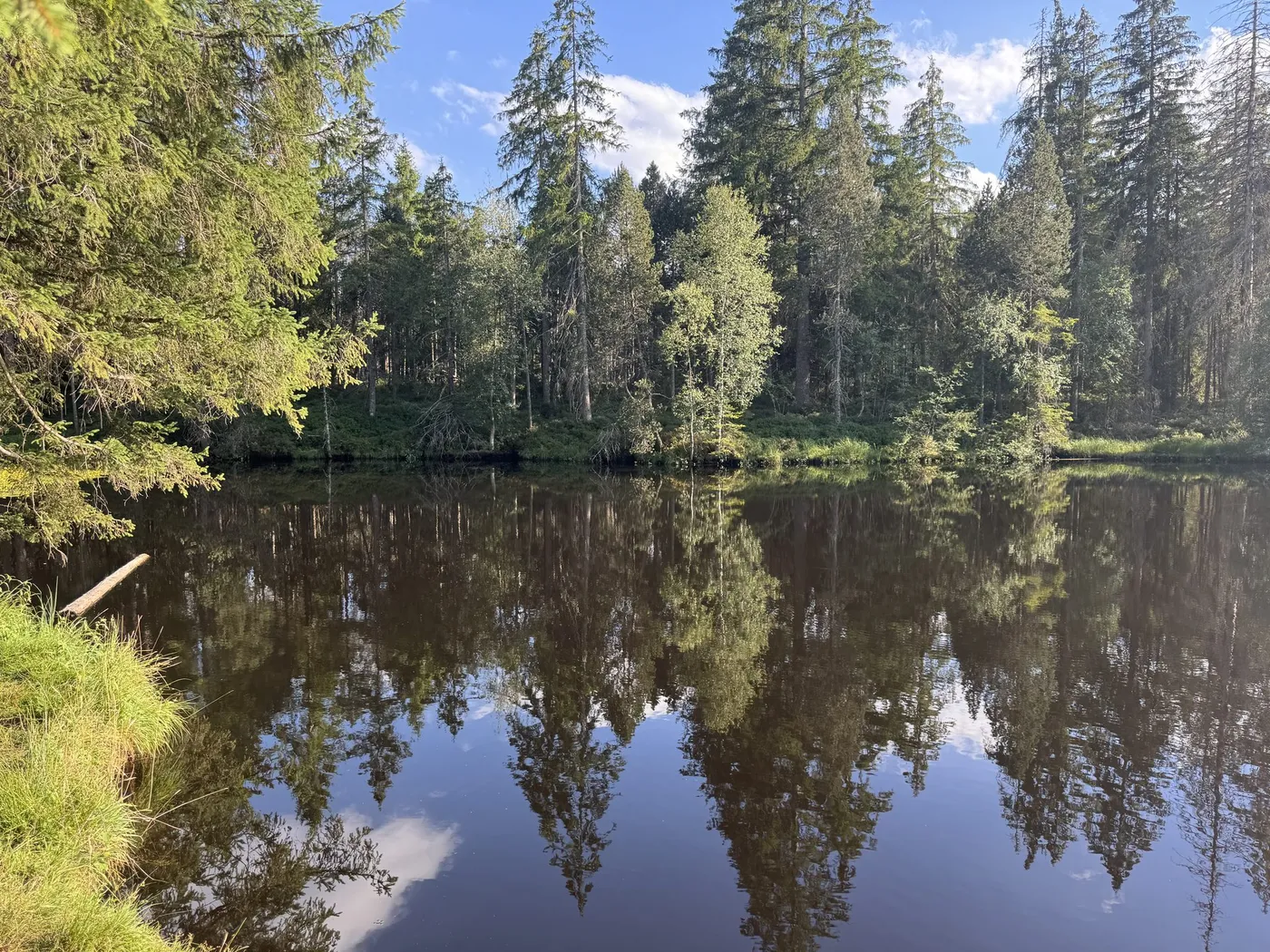
The dark, tannin-stained water and the pines give it a distinctly Nordic feel, more like Scandinavia than the Alps. It is a lovely, mostly shaded walk beneath the trees — which we were very grateful for, as we visited during a heatwave. The loop is flat and easy, too — gentle enough to push a stroller the whole way round, which makes it a relaxed outing with young children. Swimming is possible, at a few designated access points only; the limits are there to protect the fragile biotope, and they are worth respecting.
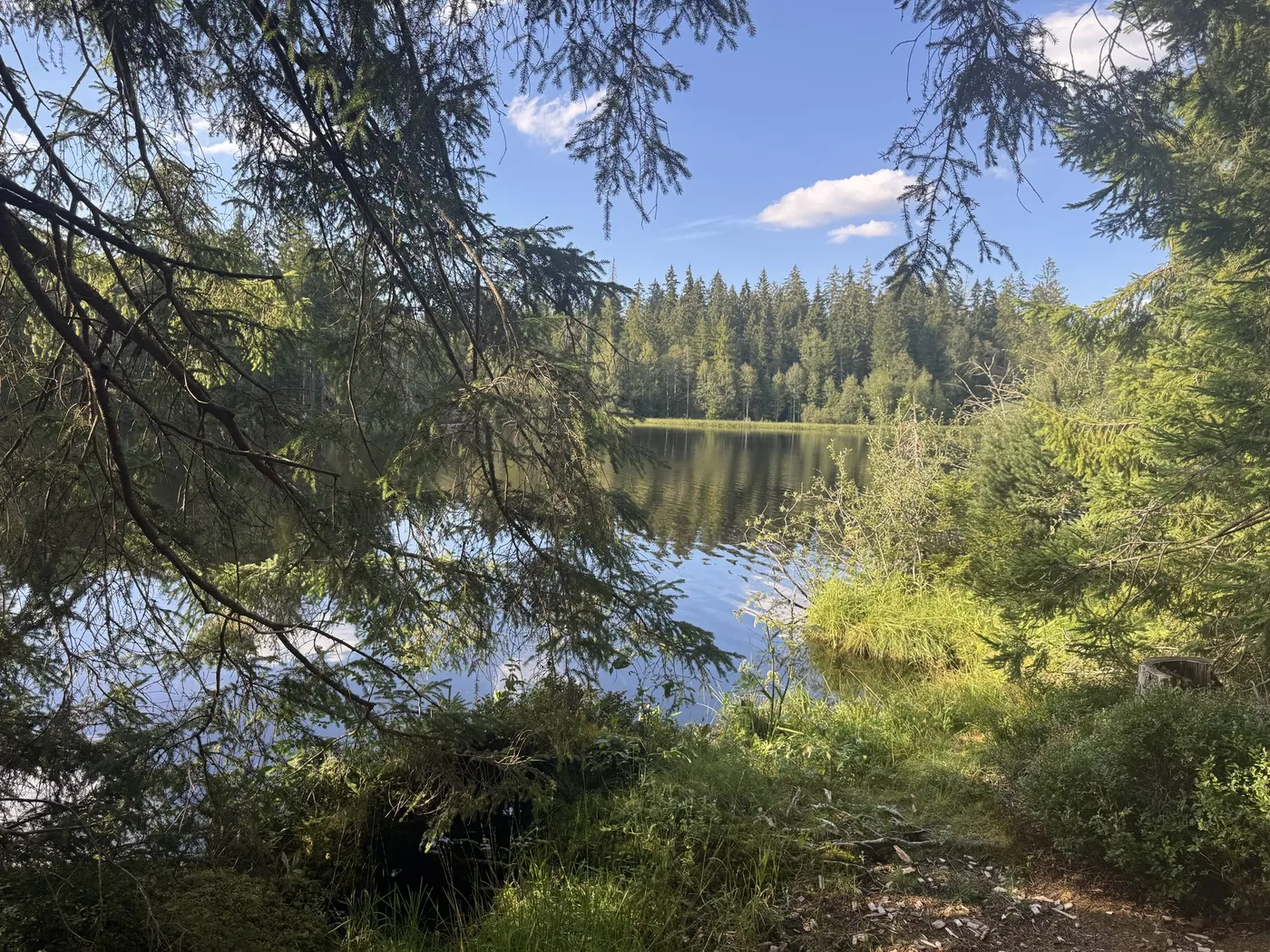
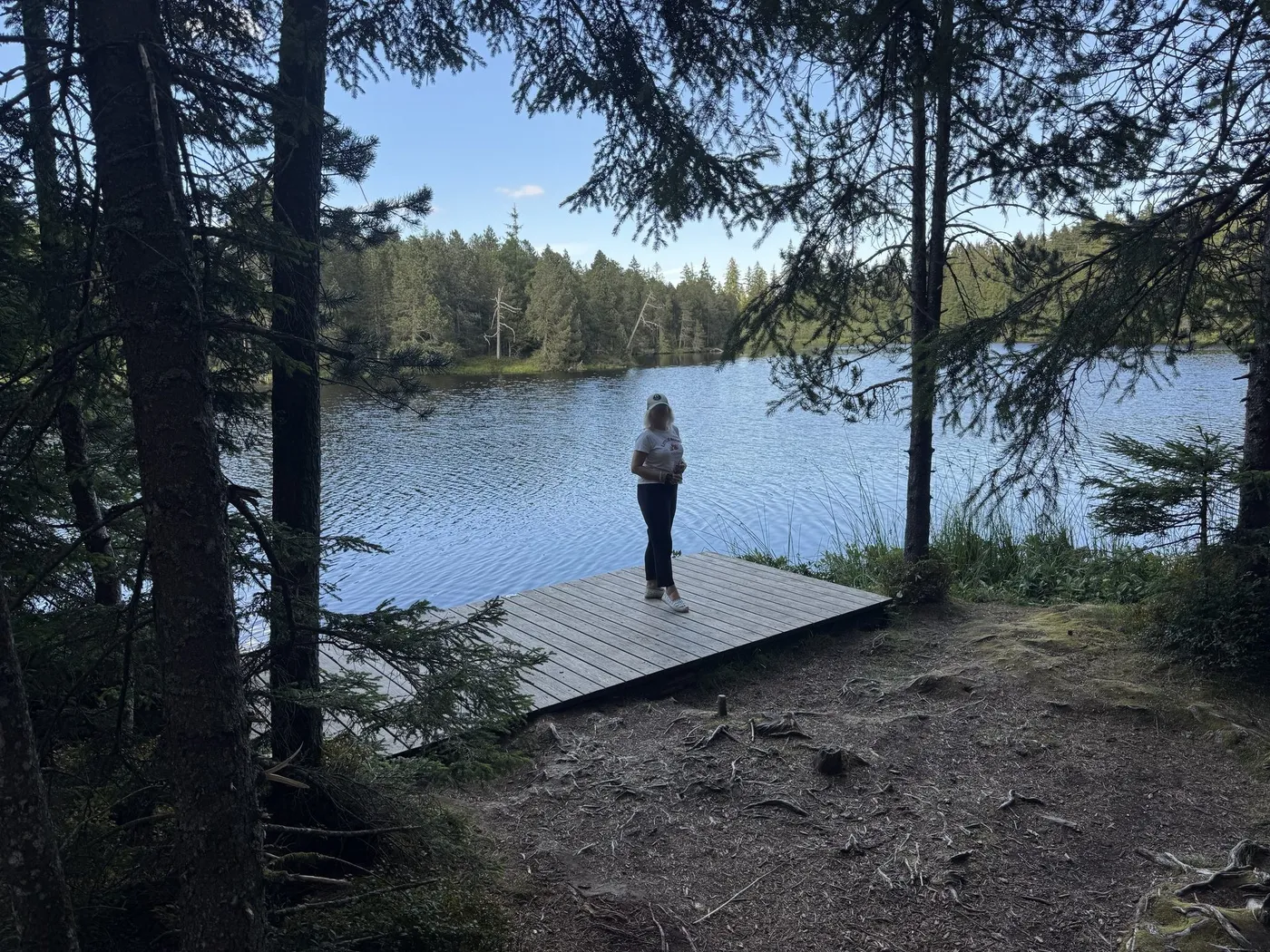
Come winter, the same plateau transforms. The altitude holds snow reliably, and the gentle, open topography makes the Franches-Montagnes one of Switzerland’s great heartlands for cross-country skiing. The étang itself freezes over, and skating on it is tolerated — though the ice is uncontrolled, so it is entirely at your own risk.
Down to the Doubs: staying in Soubey
For a base, we dropped off the plateau and down into the valley to Soubey, right on the banks of the Doubs. This is a completely different landscape from the open high moor — enclosed, green, river-carved, and utterly peaceful.
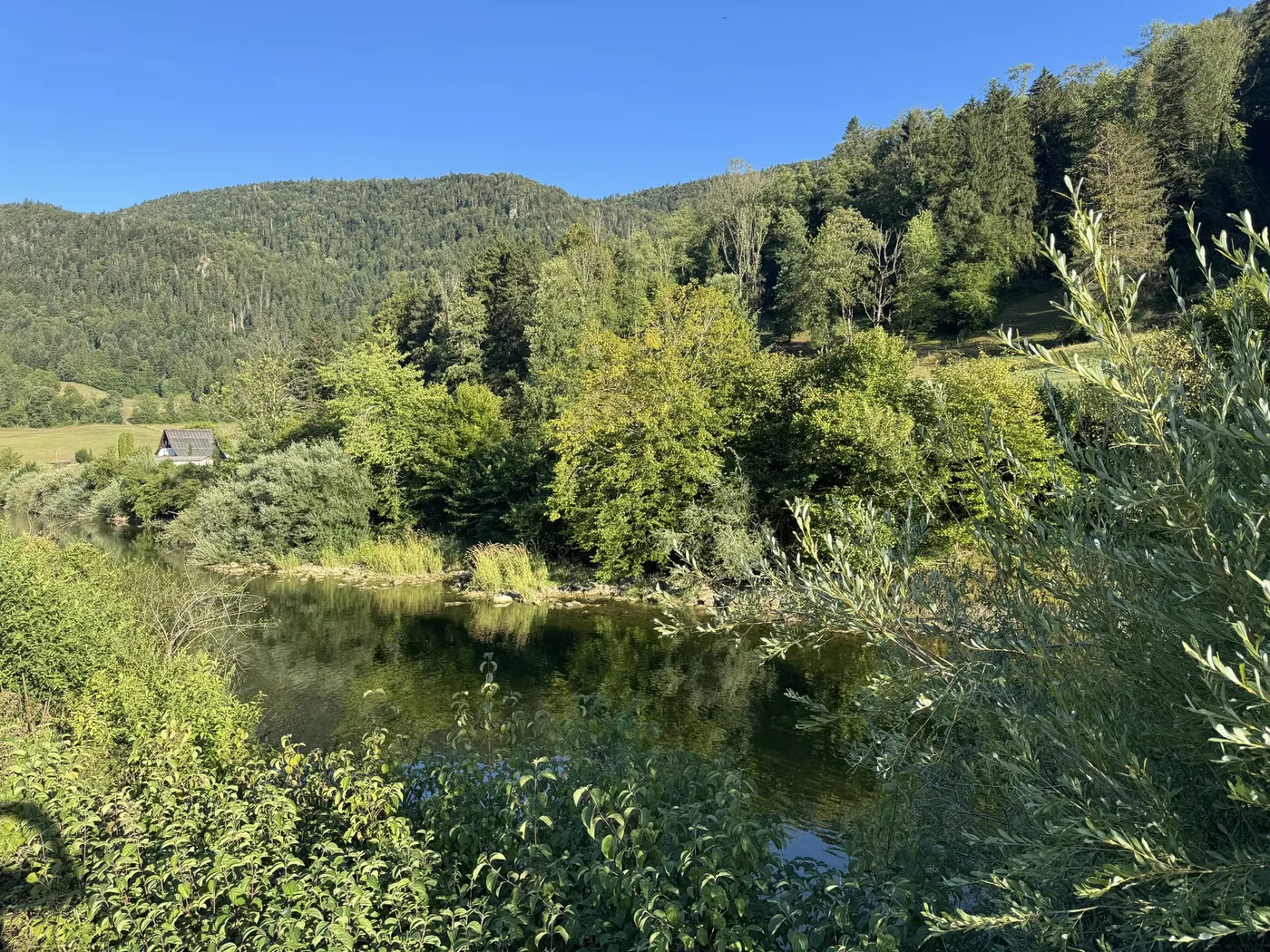
We stayed at the Hôtel-Restaurant du Cerf, and it turned out to be a small delight: a country inn in this near-total isolation that happily serves vegan food. There is something quietly reassuring about finding thoughtful cooking so far off the beaten track.
The valley is made for walking. The stretch from Saint-Ursanne to Soubey along the river is a classic, and an easy highlight to build a day around.
Why go
The Franches-Montagnes is not a place you go to be dazzled. It is a place you go to breathe — to walk under the trees, watch the light move across the moor, eat well in a quiet village, and let a weekend feel longer than it is. Two hours from the city, and a world away.
Getting there: ~2h by car from Zürich or Geneva; ~3h by public transport. Best paired with the Marché-Concours (second weekend of August) in summer, or cross-country skiing in winter.